Introduction
You're eating right, exercising regularly, and counting your calories—yet the scale barely budges. If this sounds familiar, you might be overlooking one of the most common hidden obstacles to weight loss: bloating and gas preventing weight loss. While digestive discomfort might seem like a minor inconvenience, the relationship between gut health and successful weight management is far more significant than most people realize. Bloating doesn't just make you feel uncomfortable; it can actually interfere with your metabolism, increase water retention, and create an inflammatory environment that works against your weight loss goals. Understanding how these digestive issues sabotage your efforts—and why your diet alone might not be enough—is the first step toward breaking through a frustrating plateau and finally seeing real results.
What Causes Bloating and Gas: The Root Mechanisms
Bloating and gas develop through several interconnected biological pathways, and understanding these mechanisms is essential to addressing them effectively. At the most basic level, gas accumulation occurs when your digestive system produces excess hydrogen, methane, or carbon dioxide—byproducts of food fermentation in your colon. This happens when undigested food reaches your large intestine, where bacteria ferment the material, creating those uncomfortable, expanding sensations.
One major culprit is food intolerance, particularly to lactose, fructose, or gluten. Unlike food allergies, intolerances don't trigger immune responses; instead, they mean your digestive system struggles to break down certain compounds efficiently. A 2019 study in Nutrients found that approximately 60% of adults experience some form of food intolerance, with lactose and fructose being the most common triggers. When these foods aren't properly digested in the small intestine, they pass into the colon where bacteria ferment them, producing gas.
Digestive enzyme deficiencies also play a critical role. As we age, our bodies naturally produce fewer enzymes needed to break down proteins, fats, and carbohydrates. Insufficient stomach acid—a condition more common after age 40—further impairs protein breakdown. Additionally, dysbiosis (an imbalance in gut bacteria) can favor gas-producing bacterial strains over beneficial microbes. Poor eating habits like eating too quickly, inadequate chewing, or consuming large meals can also overwhelm your digestive capacity. Finally, low fiber intake, or conversely, a sudden dramatic increase in fiber, can trigger significant gas production as your gut bacteria adjust.
The Role of Gut Bacteria Imbalance
Your gut microbiome contains trillions of bacteria that play crucial roles in digestion, immunity, and metabolism. When dysbiosis occurs—typically caused by antibiotic use, poor diet, chronic stress, or inadequate sleep—harmful gas-producing bacteria proliferate while beneficial strains diminish. These pathogenic bacteria ferment food much less efficiently than healthy microbiota, creating excessive gas and bloating. Research from the American Journal of Gastroenterology has shown that people with severe dysbiosis produce up to three times more intestinal gas than those with balanced microbiota, even when consuming identical meals.
Enzyme Deficiency and Aging Digestion
Many people don't realize that digestive enzyme production naturally declines by up to 30% between ages 30 and 60. This means your ability to break down food into absorbable nutrients diminishes significantly over time. When enzymes are insufficient, larger food particles reach your colon undigested, where bacteria eagerly ferment them—producing bloating, gas, and incomplete nutrient absorption that actually slows your metabolism. This is why bloating becomes increasingly common as we age, and why it's more challenging to lose weight in middle age even when following the same diet that worked when you were younger.
Recognizing the Signs and Symptoms
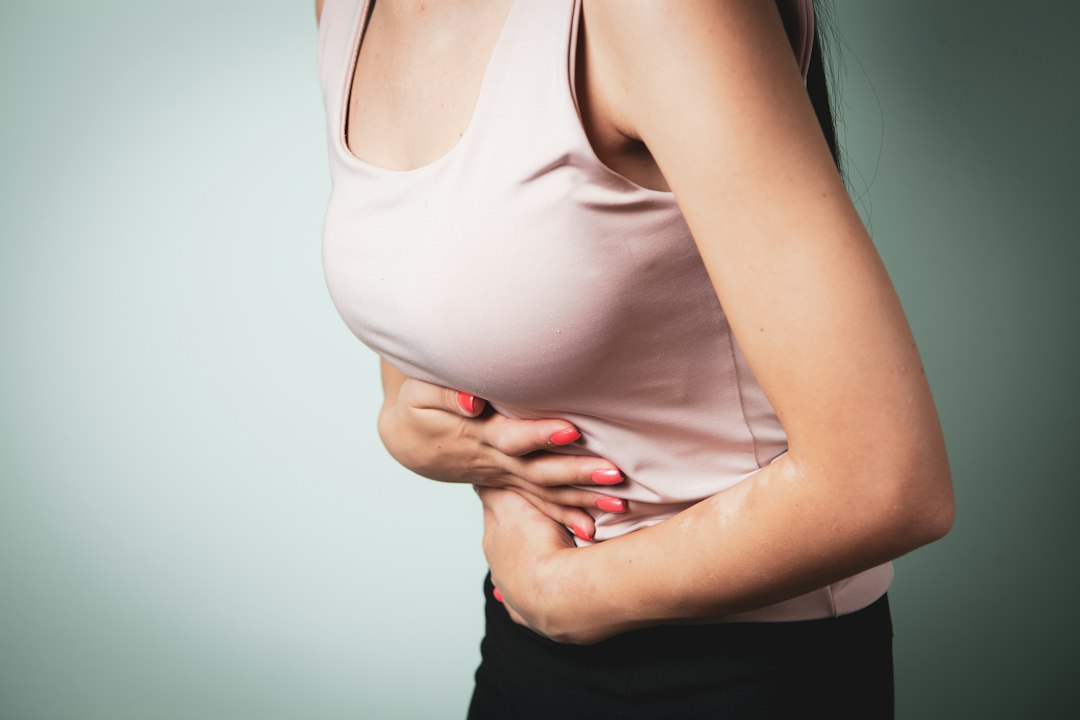
Identifying whether you're experiencing digestive bloating versus other forms of weight gain is crucial for addressing the real problem. True bloating involves visible abdominal distension—your stomach visibly expands, sometimes within just a few hours after eating. This differs from actual fat accumulation, which develops gradually over weeks and doesn't fluctuate as dramatically throughout the day.
Common symptoms accompanying bloating include a sensation of fullness or tightness in your abdomen, belching or burping, and visible gas pockets that make your stomach appear several inches larger after meals than before. Some people experience sharp abdominal cramping or aching sensations. Excessive gas—whether flatulence or uncomfortable intestinal rumbling—is another telltale sign that fermentation is occurring in your digestive tract. Many people also report feeling uncomfortably full after eating relatively modest portions, or experiencing sudden urgency to have a bowel movement.
Importantly, bloating often follows patterns tied to specific foods or meals. You might notice it worsens after dairy products, cruciferous vegetables, bread, or carbonated beverages. This predictability can actually help you identify triggers. Some people also experience bloating accompanied by water retention—your body holds excess fluid in response to digestive inflammation—which can add 3 to 7 pounds to your weight overnight. Brain fog, fatigue, and mood changes can also accompany severe bloating, as digestive distress triggers inflammation throughout your body and affects neurotransmitter production in your gut.
Distinguishing Bloating from Other Digestive Issues
It's important to differentiate bloating from constipation, IBS, or other digestive conditions, as each requires slightly different approaches. True bloating is characterized by rapid abdominal distension that occurs within hours of eating and often resolves with bowel movements or gas passage. Constipation-related bloating develops more gradually and persists until bowel movements resume. If you experience bloating accompanied by chronic diarrhea, severe pain, or blood in stool, consult a healthcare provider to rule out conditions like inflammatory bowel disease or celiac disease before attempting self-treatment.
How Bloating Derails Your Weight Loss Efforts
Understanding that bloating and gas affecting weight loss involves multiple biological mechanisms helps explain why your diet might not be working. When your gut is constantly producing gas and experiencing inflammation, several metabolic and psychological disruptions occur simultaneously. First, abdominal distension triggered by bloating activates stress responses in your body, increasing cortisol production. Elevated cortisol promotes water retention and can shift your body toward storing fat, particularly in the abdominal area—exactly where you're trying to lose it.
Second, chronic digestive inflammation damages the lining of your small intestine, reducing nutrient absorption. This means even though you're eating nutritious foods, your body isn't extracting the vitamins and minerals needed for optimal metabolism. A compromised gut barrier also increases intestinal permeability—sometimes called "leaky gut"—allowing partially digested food particles and bacterial lipopolysaccharides to enter your bloodstream, triggering systemic inflammation that suppresses metabolic rate.
Third, bloating creates psychological barriers to weight loss. When you feel bloated and uncomfortable, you're less likely to exercise, more likely to reach for comfort foods, and prone to discouragement when the scale doesn't reflect your dietary efforts. This becomes a vicious cycle: digestive discomfort leads to poor choices, which worsens bloating, which further undermines your commitment. Finally, the water weight from bloating can mask actual fat loss on the scale, creating the false impression that your diet isn't working—even when your body is genuinely improving.
Practical Lifestyle and Dietary Approaches
Addressing bloating preventing weight loss requires a multifaceted approach that goes beyond simply eating less. Start with eating habits themselves: slow down, chew thoroughly (aim for 20-30 chews per bite), and eat smaller, more frequent meals rather than large ones that overwhelm your digestive capacity. Drink water before, between, and after meals rather than with them—liquid consumed during eating dilutes stomach acid and slows digestion.
Identify and eliminate trigger foods systematically. The most common culprits are refined grains, excess sugar, artificial sweeteners (especially sugar alcohols like sorbitol and xylitol), cruciferous vegetables if eaten in large quantities, dairy products, and high-FODMAP foods. A 2020 systematic review in Gastroenterology Research and Practice confirmed that low-FODMAP diets significantly reduce bloating and gas in many people, particularly those with irritable bowel syndrome. You don't need to eliminate these foods permanently—just identify which ones trigger your symptoms and moderate your intake.
Increase soluble fiber gradually (not suddenly), as it feeds beneficial bacteria without producing excessive gas. Include fermented foods like plain yogurt, sauerkraut, kimchi, and kombucha to support healthy gut microbiota. Manage stress through meditation, deep breathing, or gentle movement—the gut-brain connection means psychological stress directly impairs digestion. Gentle exercise like walking aids digestive motility and reduces gas accumulation. Finally, ensure you're adequately hydrated and getting sufficient sleep, both of which support optimal digestive function and reduce inflammation.
The Role of Nutrients and Digestive Support
Certain nutrients and compounds directly support digestive health and reduce bloating. Digestive enzymes—particularly amylase for carbohydrates, protease for proteins, and lipase for fats—become increasingly important after age 40 as natural production declines. A 2018 study in Nutrients found that enzyme supplementation significantly improved bloating, gas, and digestive discomfort in adults over 50. Similarly, betaine HCl supports stomach acid production, improving protein breakdown and reducing fermentation in the colon.
Probiotics containing beneficial strains like Lactobacillus and Bifidobacterium help rebalance your microbiota, reducing gas-producing bacteria. However, quality matters—look for products with multiple strains and adequate colony-forming units (CFUs). Ginger, peppermint tea, and fennel seeds have traditional uses for digestive comfort and are supported by modern research showing they reduce bloating and improve gastric motility.
Magnesium and vitamin B6 support digestive muscle function and reduce inflammation. Zinc and L-glutamine help repair intestinal lining damage. This is why many adults turn to targeted digestive support formulas—one such option is SodaSlim, which combines several of these key nutrients specifically to address the digestive and metabolic factors covered in this article. Slippery elm and bone broth collagen support gut barrier integrity. Remember that supplements work best alongside dietary changes—they're tools that support your efforts, not replacements for better eating habits.
When to See a Doctor
While most bloating and gas can be managed through dietary changes and lifestyle modifications, certain situations warrant professional medical evaluation. If your bloating is accompanied by persistent abdominal pain, unexplained weight loss, changes in bowel habits that last more than two weeks, or visible blood in your stool, schedule an appointment with your healthcare provider. These could indicate conditions like celiac disease, inflammatory bowel disease, or other digestive disorders requiring specific treatment.
Additionally, if you've tried eliminating common trigger foods and implementing digestive support for 4-6 weeks without improvement, your doctor can order tests to identify underlying issues like SIBO (small intestinal bacterial overgrowth), food allergies, or enzyme deficiencies. A healthcare provider can also review your medications—certain drugs including some antibiotics, NSAIDs, and hormonal medications can trigger bloating as a side effect. If your bloating appears suddenly after a period of normal digestion, or if it severely interferes with your quality of life, professional evaluation can provide clarity and targeted treatment options you might not achieve through self-management alone.
Frequently Asked Questions
Q: Can bloating actually prevent weight loss, or is it just water weight?
A: Bloating involves both water retention and actual gas accumulation, but it also triggers metabolic and inflammatory changes that impair fat loss. The inflammation from chronic bloating increases cortisol and reduces nutrient absorption—both of which suppress weight loss at a cellular level. So while some of the weight is water, bloating also creates an internal environment that actively works against fat loss.
Q: How long does it take to see weight loss improvement after addressing bloating?
A: Most people notice reduced bloating within 3-7 days of identifying and eliminating trigger foods. However, metabolic improvements typically take 2-4 weeks, as your gut barrier heals and inflammation decreases. Fat loss acceleration usually becomes apparent after 4-6 weeks of consistent dietary changes and digestive support, depending on how severely your bloating was impacting your metabolism.
Q: Are over-the-counter anti-gas products effective for weight loss?
A: Products containing simethicone (like Gas-X) temporarily reduce bloating discomfort by breaking apart gas bubbles, but they don't address root causes. They're helpful for acute relief but won't solve the underlying food intolerances, enzyme deficiencies, or dysbiosis preventing weight loss. Long-term improvement requires addressing these fundamental digestive issues.
Q: Can I still lose weight while experiencing bloating?
A: Yes, you can still lose fat while bloated, but the bloating masks your actual progress on the scale and creates physiological resistance to weight loss. Your body composition may be improving (losing fat, maintaining muscle) while water retention and gas make the scale appear stalled. This is why tracking measurements, how your clothes fit, and energy levels becomes more reliable than scale weight when addressing bloating alongside weight loss. Once you resolve the bloating, your scale weight will more accurately reflect your fat loss progress.
If you're frustrated by bloating that seems to prevent your weight loss efforts, you're not alone—and basic diet changes aren't always enough to fix it. Many adults find that targeted nutritional support addressing digestive enzymes, gut bacteria balance, and nutrient absorption makes a meaningful difference. Explore SodaSlim to see how its formulation addresses the digestive factors discussed in this article and whether it might be a helpful addition to your weight loss strategy.