Introduction
Bloating and gas are two of the most common digestive complaints reported by adults over 40, yet they remain deeply uncomfortable and often embarrassing. If you've ever felt that tight, distended sensation in your stomach after eating, or experienced painful gas that disrupts your day, you're not alone. These symptoms affect millions of people and can significantly impact quality of life, productivity, and confidence in social situations.
One natural approach gaining attention is the use of digestive enzymes bloating gas relief through supplementation and dietary adjustment. Digestive enzymes are proteins that break down food into smaller molecules your body can absorb and use for energy and nutrient uptake. When enzyme production declines—something that happens naturally with age—food sits longer in your digestive tract, fermenting and producing excess gas. This article explores how digestive enzymes work, why bloating and gas develop, and practical ways to address them naturally.
Understanding the Root Causes of Bloating and Gas
Bloating and gas don't appear randomly. They're the result of digestive processes that aren't functioning optimally, often due to enzyme deficiency, food sensitivities, or eating habits. As we age, our body's production of digestive enzymes naturally decreases. This slowdown means food takes longer to break down in the stomach and small intestine, creating the perfect environment for bacterial fermentation.
When undigested food reaches the colon, the bacteria living there ferment these compounds, producing hydrogen, methane, and carbon dioxide gases. This is a completely normal process, but when it's excessive, you experience uncomfortable bloating, distension, and flatulence. The problem intensifies if you're consuming foods high in fiber, complex carbohydrates, or sugars without adequate enzyme support.
Common underlying causes include lactose intolerance (insufficient lactase enzyme), fructose malabsorption, small intestinal bacterial overgrowth (SIBO), and insufficient stomach acid. Additionally, stress, eating too quickly, and not chewing food thoroughly can overwhelm your natural enzyme capacity. Certain medications, particularly those that reduce stomach acid production, can also interfere with enzyme function and nutrient absorption.
Food sensitivities play a role too. Gluten sensitivity, for example, can damage the intestinal lining and reduce enzyme production. Processed foods often contain additives that the digestive system struggles to process efficiently. Understanding that bloating and gas are symptoms of incomplete digestion—not character flaws or inevitable parts of aging—is the first step toward finding relief through digestive enzymes bloating gas relief strategies.
Recognizing the Signs and Symptoms
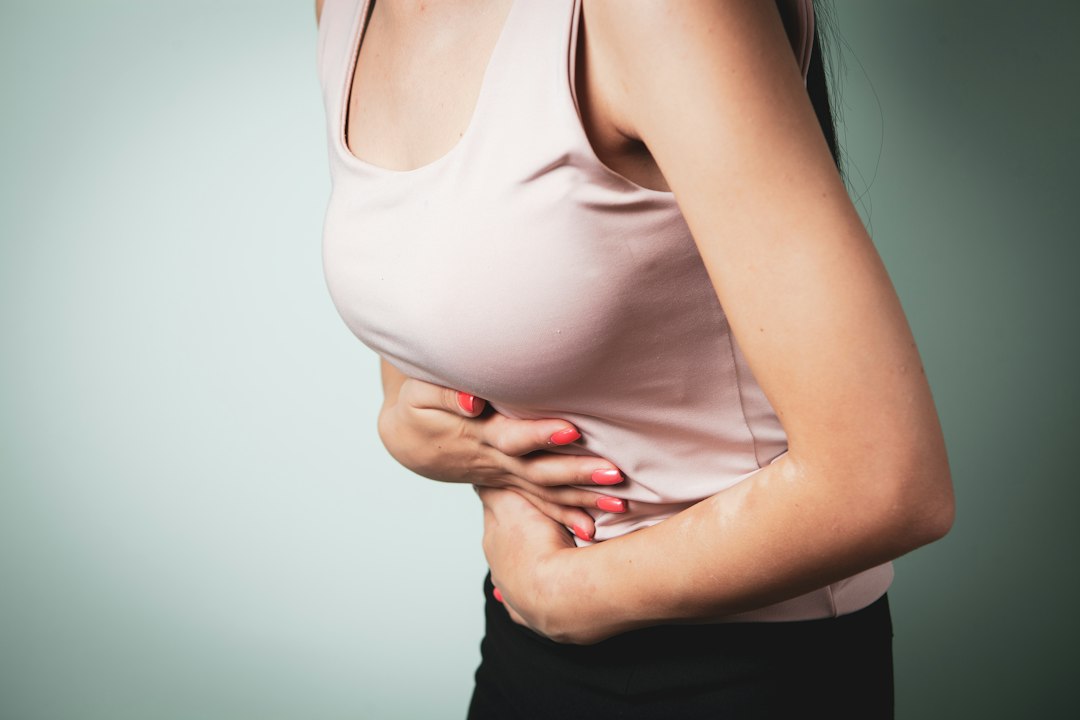
Bloating and gas manifest differently in different people, but certain patterns are common. The most recognizable symptom is abdominal distension—your belly feeling uncomfortably full or enlarged after eating, even when you haven't consumed a large meal. You might notice your stomach actually protrudes more after eating than before, and this can last for hours.
Gas produces its own distinct symptoms. You may experience visible belching or burping, sometimes involuntary and frequent throughout the day. Flatulence is another obvious sign, ranging from occasionally noticeable to deeply embarrassing. Some people experience no external gas release but feel intense internal pressure and discomfort instead, describing it as a "trapped" feeling in the abdomen.
Associated discomfort often includes cramping, sharp pains, or a dull ache in various parts of the abdomen. Some people report bloating that specifically affects the lower abdomen and pelvis, while others feel it primarily around the stomach and upper digestive tract. Nausea, early fullness (feeling full quickly despite not eating much), and constipation or diarrhea frequently accompany bloating and gas.
Timing matters too. Many people notice symptoms worsen after specific meals—particularly those high in fat, fiber, or foods they have trouble digesting. Others find symptoms are worse at the end of the day after accumulated eating. Some experience morning bloating that gradually worsens, while others wake relatively comfortable and decline as the day progresses.
Beyond the physical symptoms, pay attention to whether your bloating affects your mood, energy levels, or confidence in social situations. Many adults report wearing loose clothing on bloating days, avoiding social eating events, or feeling frustrated with their body. Recognizing these patterns helps you identify whether digestive enzyme support might address your specific situation.
How Bloating and Gas Impact Daily Life
The effects of chronic bloating and gas extend far beyond temporary discomfort. Many adults over 40 report that these symptoms interfere with work productivity. Struggling with abdominal pain or pressure during important meetings, presentations, or focused tasks creates unnecessary stress and mental distraction. Some people avoid lunch with colleagues or eating before important events, leading to poor nutrition and reduced social connection.
Sleep quality often suffers when bloating persists into evening hours. Lying down can intensify the sensation of internal pressure and gas, making it harder to fall asleep or stay asleep. This compounds the problem because poor sleep reduces digestive efficiency and increases inflammation, potentially worsening bloating the following day.
Clothing choices become another daily consideration. Many people with chronic bloating report needing to wear elastic waistbands or avoiding fitted clothes, which affects confidence and self-image. Some avoid activities requiring movement or flexibility, or decline invitations to restaurants or social events centered around food.
The psychological toll shouldn't be underestimated. Chronic bloating can lead to anxiety about eating, social withdrawal, and negative self-perception. Some people develop restrictive eating patterns, actually consuming too little food and depriving themselves of necessary nutrients. Others become hypervigilant about food choices, which adds stress rather than providing lasting relief.
Understanding that effective solutions exist—including digestive enzymes bloating gas relief strategies—can restore both physical comfort and emotional wellbeing, allowing you to live more fully and participate confidently in daily activities.
Natural Approaches and Lifestyle Modifications
Before turning to supplements, simple lifestyle changes can significantly reduce bloating and gas for many people. Eating more slowly and chewing food thoroughly is foundational. Most people over 40 underestimate how little they chew their food. Aim for 20-30 chews per bite. This increases surface area for your natural enzymes and signals your body to produce adequate digestive juices.
Stress management directly impacts digestion. The parasympathetic nervous system—activated when you're calm—enhances enzyme secretion and gut motility. Conversely, stress activates the sympathetic nervous system, suppressing digestion. Practice deep breathing before meals, eat in calm environments without screens, and allow at least 10-15 minutes for meals rather than eating on the run.
Meal timing and composition matter significantly. Eating smaller, more frequent meals rather than large ones reduces the digestive burden at any single time. Separating protein-heavy meals from starch-heavy meals can ease digestion for some people, since these foods require different enzyme profiles and stomach acid levels. Avoiding high-fat meals, which slow gastric emptying, helps prevent prolonged fermentation.
Hydration supports digestive efficiency. Drink water throughout the day, but avoid large quantities with meals, which dilutes stomach acid and enzymes. Herbal teas like ginger, peppermint, and fennel have traditionally been used to support digestive comfort and have some research backing their use. A 2019 study in Phytotherapy Research found that ginger supplementation improved gastric emptying in certain populations.
Physical activity aids digestion. A 20-30 minute walk after meals, gentle yoga, or other light movement helps move food through your digestive tract and reduces gas accumulation. This is why so many cultures traditionally take an after-dinner stroll. Avoiding tight clothing that restricts the abdomen also helps, as does maintaining good posture, which supports optimal organ positioning.
Key Nutrients and Dietary Approaches
Certain nutrients directly support digestive enzyme production and function. B vitamins, particularly B6 and B12, are essential cofactors for numerous enzyme systems. Adults over 40 have reduced ability to absorb B12 from food, making supplementation or fortified foods important. Folate (B9) supports cellular function throughout the digestive tract.
Zinc is critical for digestive enzyme function and intestinal lining health. Studies show that zinc deficiency correlates with reduced enzyme production and intestinal permeability issues that worsen gas and bloating. Magnesium supports muscle function in the digestive tract, helping move food through efficiently. A 2020 study in Nutrients Journal found that magnesium status affects gut motility and symptom severity in bloating-prone individuals.
Specific foods support enzyme production naturally. Raw or lightly cooked fruits and vegetables contain natural enzymes. Pineapple contains bromelain and papaya contains papain, both proteolytic enzymes. Fermented foods like sauerkraut, kimchi, and kefir contain beneficial bacteria that produce enzymes and improve intestinal bacterial balance. However, some people with sensitive guts need to introduce fermented foods gradually.
Reducing problematic foods helps tremendously. This is highly individual—what triggers one person's bloating may not affect another. Common culprits include wheat and gluten, dairy products (if lactose intolerant), high-fat foods, artificial sweeteners, and foods high in sulfur compounds (cruciferous vegetables, garlic, onions). Keep a food diary for two weeks, noting which foods correlate with symptoms. This is more effective than following generic elimination diets.
Increasing soluble fiber gradually—not suddenly—helps many people, as soluble fiber feeds beneficial bacteria rather than causing fermentation like insoluble fiber can. This is why supplements combining digestive enzymes with fiber support are becoming popular. If you're interested in a comprehensive formula designed around the nutritional factors discussed here, SodaSlim combines key digestive support nutrients in one convenient option.
Frequently Asked Questions
Q: Are digestive enzymes safe to take long-term?
A: Yes, digestive enzyme supplements derived from plant sources (like bromelain and papain) have excellent safety profiles in research. However, always consult your healthcare provider, especially if you take medications. Some enzymes may interact with blood thinners or certain medications. Most studies show consistent use over months is well-tolerated without adverse effects.
Q: Can digestive enzymes replace my body's natural enzymes?
A: This is a common concern, but research doesn't support the idea that supplemental enzymes suppress natural production. The body's enzyme production is primarily regulated by age, nutrient status, and overall digestive health—not by external enzyme intake. However, addressing underlying nutrient deficiencies that limit enzyme production is the ideal long-term approach.
Q: How quickly do digestive enzymes work for bloating and gas?
A: Some people notice relief within one to two meals, while others require two to four weeks of consistent use before significant improvement. Digestive enzyme effectiveness depends on the cause of your bloating, which specific enzymes you're taking, and your overall digestive health. Combining enzymes with lifestyle changes produces faster results than either approach alone.
Finding Your Path to Natural Relief
Bloating and gas don't have to be permanent fixtures of aging. By understanding how digestive enzymes work and why deficiency develops, you can address these symptoms at their root through natural strategies: mindful eating, stress reduction, targeted nutrition, and when appropriate, enzyme supplementation.
The journey toward relief is often gradual, requiring patience and experimentation to identify what works for your unique body. Keep records, stay consistent with lifestyle changes for at least two to three weeks before assessing effectiveness, and be willing to adjust your approach based on results.
If you've tried basic lifestyle changes and continue struggling with bloating and gas, targeted nutritional support may help. SodaSlim is formulated around the digestive support nutrients discussed throughout this article—designed specifically to address the enzyme and nutrient gaps that often underlie these symptoms. Visit our site to learn more about whether this approach might complement your current routine.